
The modern American highway has transformed into a high-stakes arena where glancing at a smartphone screen for a mere second can result in catastrophic and life-altering consequences for everyone involved. Recent data from the 2026 Driving Behaviors study indicates that ninety percent of motorists now observe a visible surge in phone usage behind the wheel. This shift signals a fundamental breakdown in shared road responsibility, as the collective etiquette that once governed interstate travel dissolves into a culture of digital preoccupation and rising road rage.
The Vanishing Etiquette of the American Highway
The daily commute has evolved into a high-stress gauntlet that tests the limits of driver patience and safety. Beyond the mere presence of mobile devices, there is a palpable sense that the social contract of the road is fraying. Motorists report that common courtesies are being replaced by aggressive maneuvers and a blatant disregard for traffic laws. This environment forces every individual into a state of hyper-vigilance, where the primary objective is no longer efficient travel but basic survival.
A Crisis of Trust: The Modern Transportation Landscape
Current findings highlight a significant decline in road safety and driver trust across the United States. This instability affects over 1,800 surveyed individuals, ranging from concerned parents to veteran commercial operators. All participants describe an environment where recklessness is becoming the new norm rather than the exception. Consequently, the psychological barrier of safety that once allowed for a predictable flow of traffic has been replaced by a pervasive sense of dread regarding what the next driver might do.
The Professional Driver: Struggles with Safety and Job Security
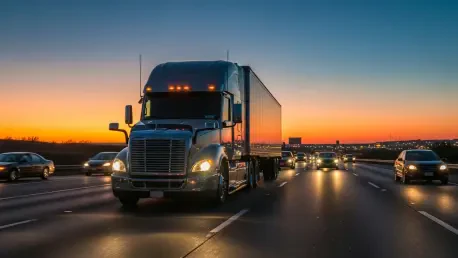
For commercial operators, the stakes of deteriorating road etiquette extend far beyond a dented fender. These drivers report a sharp increase in witnessed distractions specifically targeting heavy vehicles, leading to deep-seated anxiety regarding personal injury. Furthermore, the instability on the road creates a precarious situation where a single accident could jeopardize their long-term employment. In a sector where a clean record is the primary currency, the unpredictability of distracted peers has become a direct threat to their financial stability.
The AI Paradox: Balancing Technological Hope and Displacement Fears
Automation introduces a complex contradiction within the industry. While sixty percent of commercial drivers feel comfortable sharing the road with fully autonomous vehicles, three-quarters remain wary of the inherent dangers these fleets may pose during the transition period. This tension is further complicated by the fear that AI-driven technology will eventually displace the human workforce. Drivers are caught between the promise of a safer, machine-led future and the immediate reality of a shrinking job market that values algorithms over experience.
Expert Insights: The Ripple Effect of Recklessness
Industry leaders emphasize that the erosion of driver discipline creates ripple effects that disrupt the entire logistics landscape. Expert consensus suggests that while systemic issues like automation are often beyond individual control, the psychological toll of managing road-induced stress is reaching a breaking point. When one driver makes a reckless choice, it forces a dozen others to react, creating a chain reaction of instability. This cycle proves that road safety is not an individual metric but a communal ecosystem that requires every participant to remain disciplined.
Practical Strategies: Surviving the Modern Roadway
To mitigate the risks of an increasingly unpredictable environment, motorists prioritized personal accountability and defensive habits. Strategies for survival included maintaining strict no-phone zones within the cabin and proactively managing emotional responses to external road rage. Safety experts recommended that drivers look two or three cars ahead to anticipate the errors of distracted peers before they occurred. By doubling down on these protective measures, individuals sought to reclaim a sense of agency in a world where technology and human error seemed to conspire against the simple goal of reaching a destination safely.