
The industrial landscape of the refining sector often faces volatile shifts that demand more than just technical expertise; they require a robust financial shield against catastrophic failures. For the National Refining Company, commonly known as Sonara, the journey toward full operational restoration has been marked by complex logistical hurdles and the pressing need for a comprehensive insurance framework that can withstand modern economic pressures. As the facility moves forward into this new phase of development starting in 2026, the integration of specialized insurance products is being scrutinized as the primary mechanism for ensuring that previous vulnerabilities do not derail future progress. This shift represents a fundamental change in how heavy industry in the region approaches risk management, moving away from reactive budgeting toward a proactive, insurance-led strategy. The effectiveness of this approach will likely determine whether the refinery can reclaim its position as a central pillar of the regional energy market while providing a template for other state-owned enterprises facing similar rehabilitative challenges.
The Strategy: Modernizing Risk Management Frameworks for Energy Infrastructure
Transitioning from a state of repair to a state of sustained growth necessitates a departure from traditional, limited-coverage models that historically left industrial giants exposed to significant capital drains. The new insurance structures currently being negotiated for Sonara focus on all-risk property damage and business interruption coverage, which are essential for protecting against the high-stakes environment of oil refining. By securing these advanced policies, the management team aims to provide a safety net that covers not only physical assets but also the potential loss of revenue during unforeseen downtimes. This strategic move is particularly critical as global energy markets remain sensitive to supply chain disruptions and geopolitical shifts that can impact the cost of raw materials and shipping. Furthermore, the inclusion of environmental liability coverage ensures that the refinery meets international standards for sustainability and corporate responsibility, which is a prerequisite for attracting foreign direct investment. Such comprehensive protection builds a foundation of confidence among stakeholders, ensuring that the recovery process remains financially viable even if external shocks occur during the construction and testing phases.
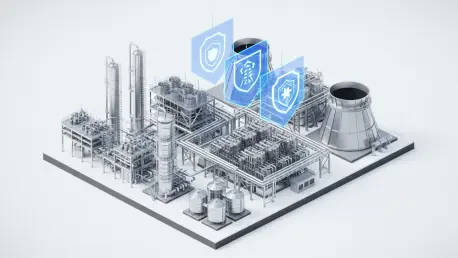
Beyond simple asset protection, the implementation of these sophisticated insurance vehicles serves as a catalyst for internal operational improvements across the entire refining complex. Insurers often require rigorous safety audits and the adoption of cutting-edge monitoring technologies before they agree to underwrite high-value industrial risks at favorable premiums. Consequently, Sonara has begun integrating IoT-enabled sensors and automated fire suppression systems that provide real-time data to both internal teams and insurance adjusters. This technical synergy creates a feedback loop where improved safety protocols lead to lower insurance costs, which in turn frees up capital for further technological upgrades and facility expansion. The reliance on data-driven risk assessment marks a significant evolution from the more manual, less precise methods of the past. As the refinery moves through its modernization program from 2026 to 2028, the continuous monitoring of structural integrity and process safety will be paramount. This proactive stance not only minimizes the likelihood of a repeat incident but also demonstrates to the global market that the refinery is operating under a disciplined, world-class management framework that prioritizes long-term stability over short-term gains.
The Impact: Strengthening Investor Confidence and Operational Continuity
The role of insurance in securing the path to recovery extends deep into the realm of financial credibility, particularly regarding the refinery’s ability to service its debts and fund future expansion projects. Investors and international lenders typically view a robust insurance portfolio as a non-negotiable requirement for providing the substantial capital needed for industrial rehabilitation. By demonstrating that the facility is covered by reputable international reinsurers, Sonara effectively transfers the most significant financial risks away from its balance sheet, making it a much more attractive prospect for commercial banks and development finance institutions. This credit enhancement is vital for securing lower interest rates on loans, which significantly reduces the overall cost of the recovery project. Moreover, the presence of business interruption insurance acts as a guarantee for debt servicing, ensuring that even if a technical failure halts production, the refinery can still meet its financial obligations to its creditors. This layer of protection creates a virtuous cycle of financial health, where lowered risk profiles lead to better financing terms, enabling the refinery to accelerate its return to full capacity while maintaining a stable fiscal position.
The successful integration of these new insurance protocols ultimately established a definitive roadmap for the refinery to navigate the complexities of the modern energy landscape without the constant threat of insolvency. Decision-makers prioritized the finalization of multi-year coverage agreements that accounted for the fluctuating value of refined products and the increasing cost of specialized industrial machinery. They also moved to establish a dedicated risk management department tasked with maintaining a constant dialogue with insurance partners to ensure that coverage limits remained aligned with the facility’s growing production volume. These actions transformed the refinery from a vulnerable asset into a resilient industrial leader capable of absorbing shocks that previously would have caused systemic failure. The focus then shifted toward leveraging this newfound stability to pursue strategic partnerships with regional energy distributors, further diversifying the revenue streams protected by the updated insurance framework. This holistic approach provided a clear solution for managing large-scale industrial risks, demonstrating that financial security through insurance was as critical as the physical reconstruction of the pipes and tanks themselves. By adopting these measures, the leadership secured a future where operational continuity became the standard rather than an aspiration, setting a new benchmark for industrial recovery.