
Simon Glairy brings a sharp eye to the intricacies of high-stakes property claims, particularly in the hail-battered corridors of Colorado. With years of experience dissecting the interplay between adjusters and policyholders, he offers a unique perspective on the legal battles that erupt when two-inch hailstones collide with complex insurance policy language. This discussion explores the systemic challenges homeowners face, from the disparity in damage assessments to the tactical use of third-party engineering reports that often point to wear and tear rather than storm-related destruction. We delve into the Denver litigation landscape, examining how incremental payments and statutory penalties under state law are reshaping the way carriers and policyholders negotiate the aftermath of a catastrophe.
When an initial payout covers only a small fraction of a $122,000 contractor estimate for tile replacement, how do you bridge that financial gap? What specific documentation or secondary inspections are most effective in proving that 2-inch hail caused structural damage rather than just cosmetic wear?
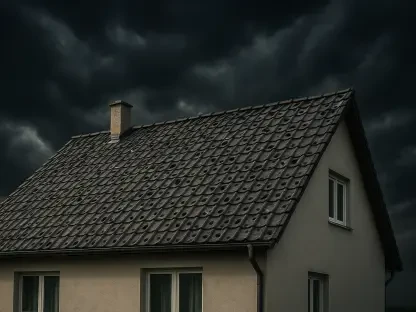
Bridging a gap this wide—where a carrier offers a check for an actual cash value of just $5,922.70 against a six-figure restoration cost—requires a surgical approach to evidence. When two-inch hail hits a tile roof, the kinetic energy is devastating, often creating micro-fractures that aren’t visible from the ground but compromise the long-term integrity of the dwelling. To fight back, you need more than just photos of broken tiles; you need forensic documentation that maps every single impact point across the roof, soft metals, and gutters. We look for proof that contradicts the initial replacement cost value of $17,801.94, proving that the damage isn’t just a surface-level “bruise” but a structural failure. It is about demonstrating that the roof can no longer perform its primary function, which necessitates a full replacement to restore the home to its pre-loss condition.
Engineering reports often attribute tile damage to “foot traffic” or “thermal expansion” rather than storm events. What technical evidence can homeowners use to challenge these findings, and how does the timing of an inspection—months after the storm—complicate the ability to prove weather-related causation?
This is a classic tactic where the insurer’s expert looks for any explanation—like improper installation or thermal contraction—to avoid a storm-related payout, a move often labeled as a “results-driven” inspection. In the current Denver case, the inspection didn’t happen until December 2024, nearly seven months after the May storm, which gives the engineer a wide window to claim the damage was caused by maintenance crews. To challenge this, we rely on historical weather data and high-resolution imagery to show the “before and after” of the roof’s condition. It’s about creating a timeline that makes the “foot traffic” argument look absurd by showing that the specific starburst patterns of hail impact are inconsistent with someone simply walking on the tiles. Homeowners must be vigilant because the longer the delay, the easier it is for a carrier to blame the natural aging process of the materials.
Carriers sometimes issue supplemental payments for siding and labor after a claim is contested, yet still deny the main roof replacement. How does this incremental strategy affect a bad faith claim, and what steps should a policyholder take when an adjuster initially misses damage to soft metals and gutters?
The strategy of issuing “drip-feed” payments—like the supplemental $12,198.66 the Denver couple recently received for vinyl siding and labor—can actually be a double-edged sword for the carrier. On one hand, they argue they are being responsive to new information, but on the other, it begs the question of why the damage to soft metals, gutters, and downspouts was missed during the first inspection. If an initial adjuster misses obvious dents in the metal components, it suggests a cursory or “thin” review that didn’t truly investigate the loss as required by the policy. Policyholders should immediately hire their own expert to document every overlooked detail, as these omissions often serve as the cornerstone for a bad faith claim. Proving that a carrier ignored visible damage to “soft” items while denying damage to the “hard” roof tiles suggests a biased approach to the adjustment process.
Colorado law allows for “two times the covered benefit” plus attorney fees for unreasonable claim denials. How does this statutory penalty change the negotiation leverage for homeowners, and what specific behaviors by a carrier typically trigger these “unreasonable delay” protections during the lifecycle of a hail damage claim?
This statutory penalty is a powerful tool in the Colorado litigious landscape, completely shifting the power dynamic because a six-figure disagreement can suddenly turn into a massive liability for the insurer once attorney fees are factored in. The leverage shifts when a homeowner can prove the carrier leaned on a “flawed” engineering report to justify a lowball offer that missed the tile roof damage almost entirely. Unreasonable behavior is often triggered when a carrier ignores the policyholder’s contractor estimates or fails to explain why their internal numbers are significantly lower than market rates. When a carrier acknowledges the hail event but uses “thermal expansion” as a blanket excuse to deny the bulk of the claim, they are walking a very thin line. These protections are designed to ensure that insurers don’t just “slow-walk” a claim in hopes that the homeowner will settle for a smaller amount out of desperation.
What is your forecast for Colorado hail claims litigation?
I forecast a significant surge in litigation focused specifically on the vendor choices and the language used within engineering reports. We are seeing a pattern where certain third-party firms are consistently producing reports that point away from storm damage, and as more homeowners compare these “results-driven” findings, we will see more aggressive lawsuits targeting the systemic use of these experts. The tension will only escalate as severe weather events become more frequent in the Denver area, forcing carriers to either modernize their assessment tools or face a continuous cycle of bad faith trials. Ultimately, the industry will have to move toward more transparent, data-driven adjusting to survive the strict regulatory environment that Colorado has established. The days of offering a few thousand dollars for a hundred-thousand-dollar roof claim are likely coming to an end as the courts demand more accountability.